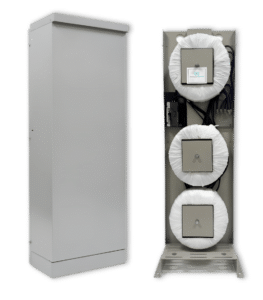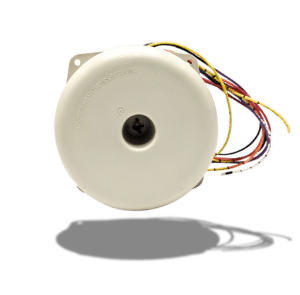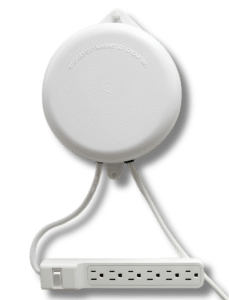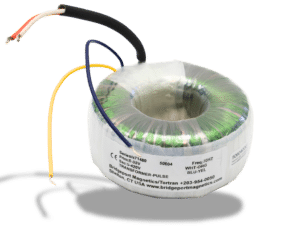
Isolation Transformers

Isolation Transformers: The Complete Guide

What an isolation transformer is, how it works, the types available, and how to choose the right one — from a US custom transformer manufacturer with decades of engineering experience.
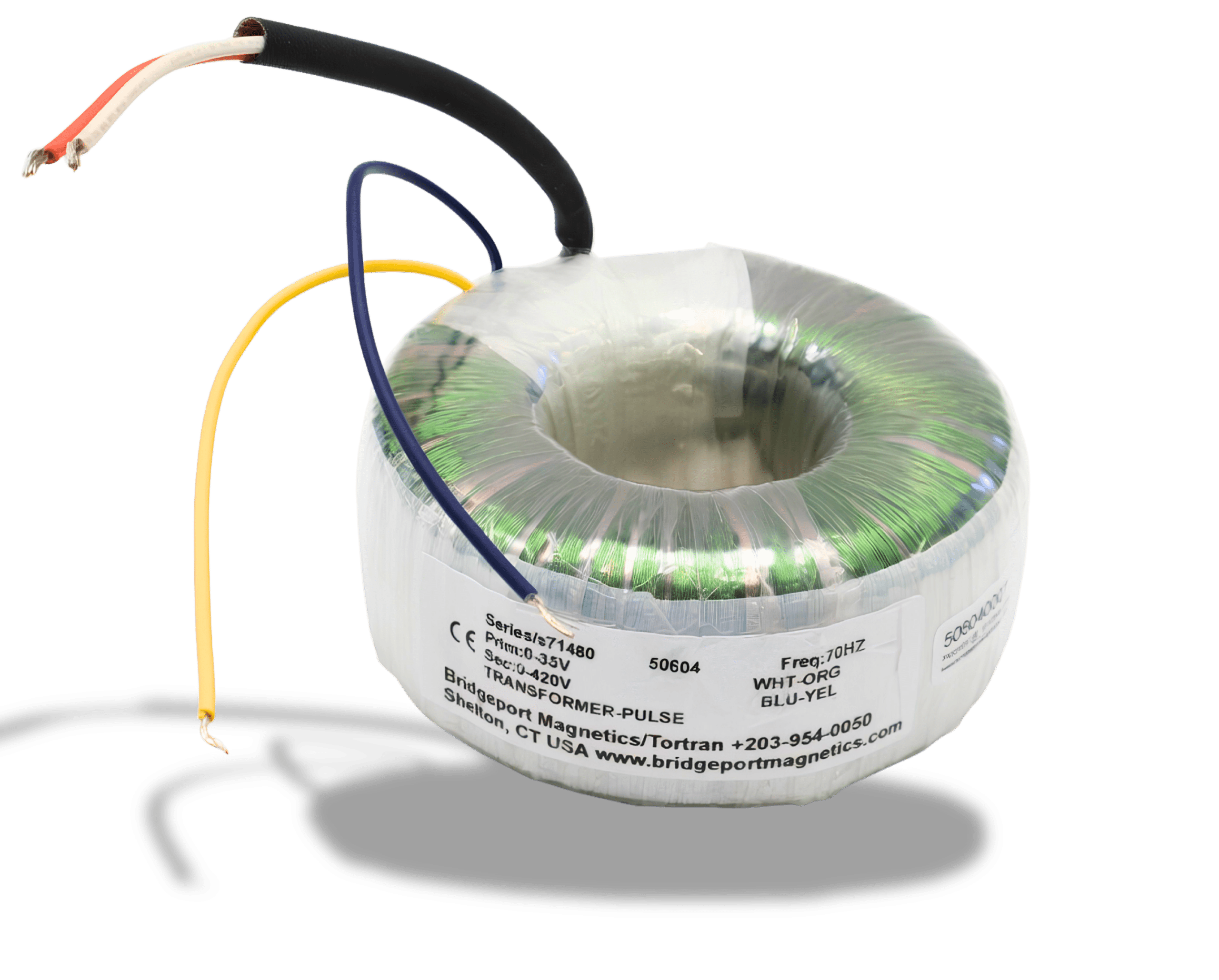
Isolation Transformers: The Complete Guide

Overview

Quietly protecting people and equipment everywhere

Isolation transformers are among the most widely used - and most misunderstood - safety devices in electrical engineering. They protect people and sensitive equipment across hospitals, boat yards, factory floors, laboratories, and electronics benches, usually without anyone noticing they are there.

What Is an Isolation Transformer?

Fundamentals

What Is an Isolation Transformer?

An isolation transformer transfers AC power from a source to a device while keeping the two circuits physically and electrically separate. The primary and secondary windings are always kept apart - there is no direct electrical path between input and output. Energy crosses only through the magnetic field, never through a shared conductor.

That is fundamentally different from an autotransformer, which uses a single winding with no isolation between input and output. Most isolation transformers use a 1:1 turns ratio — they exist to isolate, not to step voltage up or down.
How Galvanic Isolation Works

How It Works

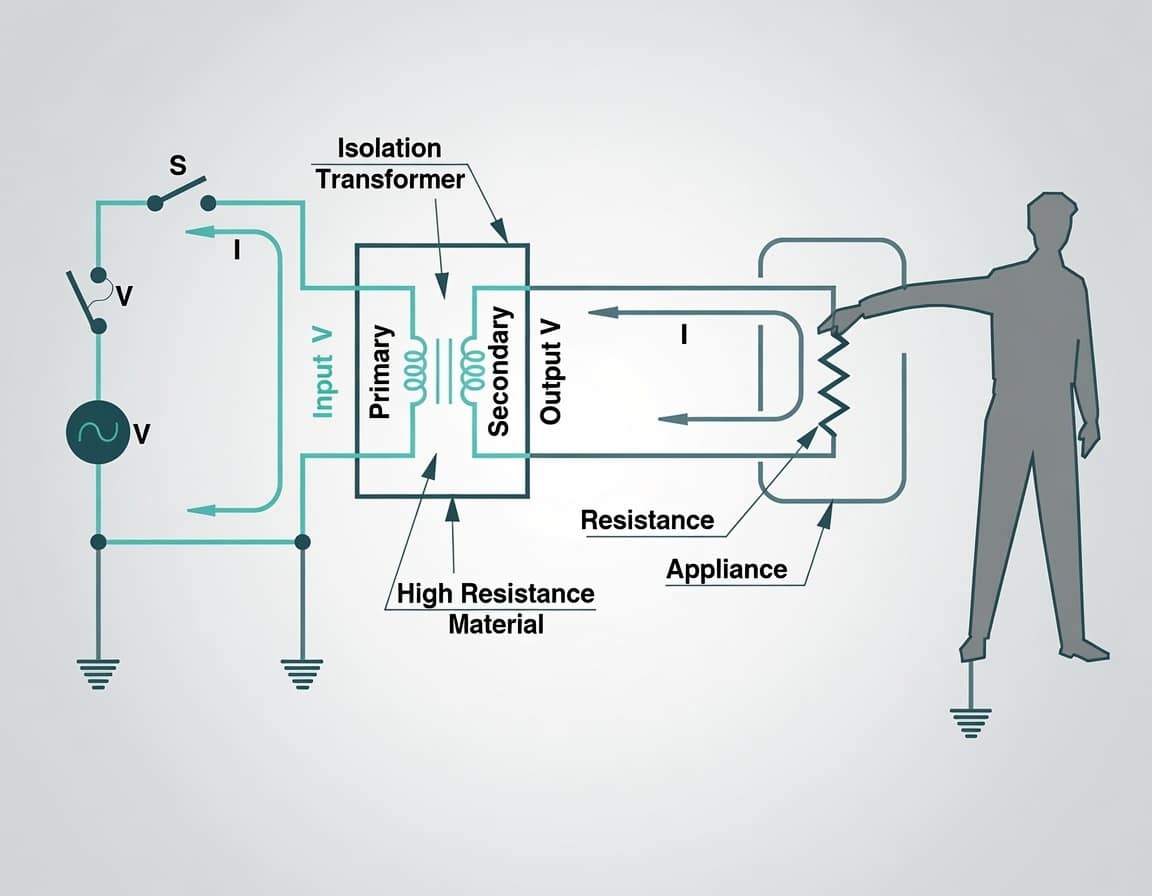
How Galvanic Isolation Works

The principle behind these transformers is galvanic isolation - cutting off the direct-current path between sections of an electrical system. Because the windings share only a magnetic field and not a conductor, the transformer blocks DC and fault currents while still passing the AC power the equipment needs.

The safety payoff: with an isolation transformer in place, the secondary does not reference ground, so a person touching the isolated circuit does not complete a path to ground and is not electrocuted. This is why they are standard for service technicians, patient-connected medical equipment, and any application where a ground fault could injure an operator.
Applications

Types of Isolation Transformers and Where They Are Used

The right choice depends on the operating environment, the sensitivity of the connected equipment, and the safety standards that apply.

Medical

Very low leakage current and compliance with international safety standards for patient-connected equipment.

Medical isolation →

Marine

Reduces shock hazards and galvanic corrosion on vessels connected to shore power.

Marine isolation →

Toroidal

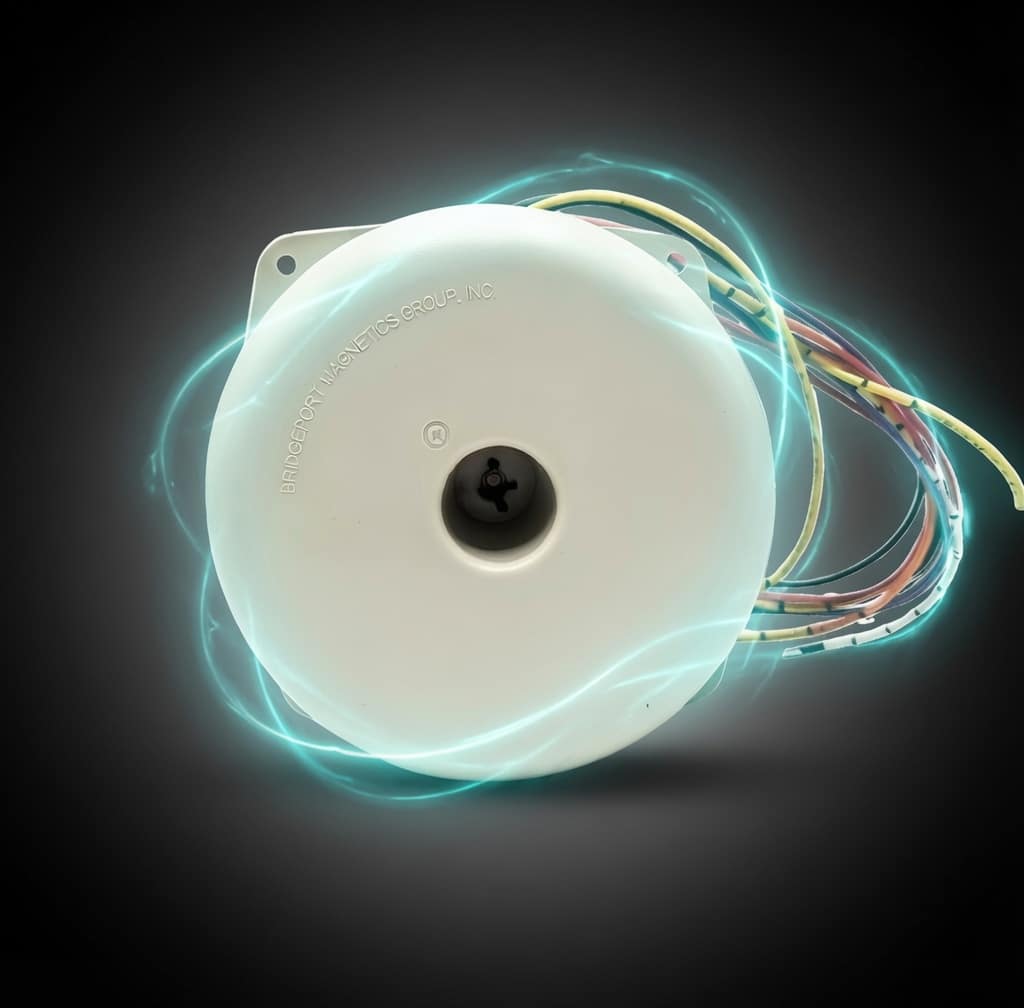
Doughnut-shaped cores with fewer magnetic losses - lighter, quieter, and more efficient.

Toroidal transformers →

Industrial & Ultra

Ultra-isolation, drive-isolation, constant-voltage, and dry-type designs for demanding environments.

Custom toroidal →

Compare

Isolation Transformer vs. Autotransformer

Characteristic
Autotransformer
Isolation Transformer
Winding construction
Single shared winding
Separate primary & secondary
Electrical path input to output
Direct conductive path
None - magnetic coupling only
Shock / ground-fault protection
No isolation
Breaks the path to ground
Noise & surge suppression
Limited
Blocks DC, noise, and surges
Typical turns ratio
Step up / down
1:1 (isolation, not conversion)
How to Choose the Right Isolation Transformer

Specifying

How to Choose the Right Isolation Transformer

Selecting the correct unit is a matter of matching it to the electrical system and the operating environment. Work through these factors before specifying:

  • Voltage requirements — confirm input/output; most are 1:1, but verify source and load.
  • Load & VA capacity — size to the connected load with adequate headroom.
  • Phase — single-phase or three-phase per system configuration.
  • Leakage current & safety standards — critical for medical; reinforced insulation lowers leakage.
  • Environment — temperature, moisture, vibration, and enclosure needs.
Request a Custom Quote

Why It Matters

Benefits of Isolation Transformers

Across every type and application, isolation transformers deliver a consistent set of advantages.

Electric shock prevention

Isolating current from the operator lets circuits be divided safely — favored for equipment people touch directly.

Surge suppression

Acts as a barrier against power surges, shielding connected equipment and prolonging its life.

Noise reduction

Faraday shields suppress electrical noise — essential for computers, medical instruments, and audio systems.

Improved power quality

Reduces leakage and corrects harmonic distortion from industrial motors.

Prevents earthing failures

Eliminates conductive connections between ground and the secondary, improving safety and efficiency.

Reliable critical power

Prevents malfunctions in hospitals and settings where precision equipment cannot tolerate interruption.

FAQ

Frequently Asked Questions

A transformer that transfers AC power from a source to a device while keeping the primary and secondary windings physically and electrically separate. Energy crosses only through the magnetic field, which provides safety isolation between the two circuits.

It isolates a connected device from its power source - blocking direct-current paths and fault currents while still delivering the AC power the equipment needs. This protects equipment from surges and protects operators from electric shock.

An autotransformer uses a single shared winding with a direct electrical path between input and output and no isolation. An isolation transformer uses separate windings with no conductive path - energy transfers only magnetically - which is what delivers the safety and noise-blocking benefits.

Most use a 1:1 turns ratio, so input and output voltage are the same. Their job is isolation, not conversion. If you also need a stable output under a fluctuating input, a constant-voltage (ferroresonant) design is the better choice.

An isolation transformer should protect one device at a time to realize all of its safety benefits. Connecting multiple devices to a single unit can defeat its purpose - confirm your setup before putting the unit into service.

Yes. When a standard catalog unit will not meet your voltage, VA, leakage-current, and physical constraints at once, Bridgeport Magnetics designs and manufactures custom isolation transformers to match. Request a quote to discuss your requirements.

Need a custom isolation transformer?

Tell us your voltage, VA, leakage, and enclosure requirements - our engineers will spec the right unit.

Shopping Cart

Product Inquiry Form